 By
By 
Does your home feel more like a showroom than a sanctuary?
You walk through the door after a long, draining day, expecting relief. But instead of feeling embraced by your space, you feel a subtle disconnect. The lights feel too harsh, the room feels cold, and you can’t quite figure out where to sit to truly relax.
It’s a frustrating reality for many. You buy the furniture and paint the walls, yet that elusive feeling of “home” is missing. Living in a sterile environment keeps your cortisol levels high, preventing you from getting the deep rest you deserve.
The good news? Creating a cozy home isn’t about tearing down walls or worrying about how much a bathroom remodel costs; it is simply about understanding the psychology of comfort.
It is about understanding the psychology of comfort. It is about layering textures, mastering light, and engaging the senses. By making a few intentional shifts, you can transform your house into a warm, inviting retreat that recharges you the moment you step inside.
Table of Contents
- What Defines a Cozy Home? (The Core Elements)
- The Golden Rule of Lighting: Kill the Big Light
- Texture Layering: How to Create Depth
- The Psychology of Warm Color Palettes
- Scentscaping: The Invisible Layer of Comfort
- Bringing the Outdoors In (Biophilic Design)
- The “Nook” Strategy: Creating Micro-Sanctuaries
- Conclusion
- Frequently Asked Questions
What Defines a Cozy Home? (The Core Elements)
Quick Answer: A cozy home is a living environment curated to induce physical comfort and emotional safety through multi-sensory design. Unlike minimalism, which focuses on reduction, a cozy aesthetic focuses on layering. To achieve this, you must prioritize:
- Warm Ambient Lighting: (2700K color temperature).
- Tactile Variety: Mixing soft fabrics with natural materials.
- Personal Touches: Items that spark memory and joy.
- Acoustic Softening: Using rugs and drapes to dampen echo.
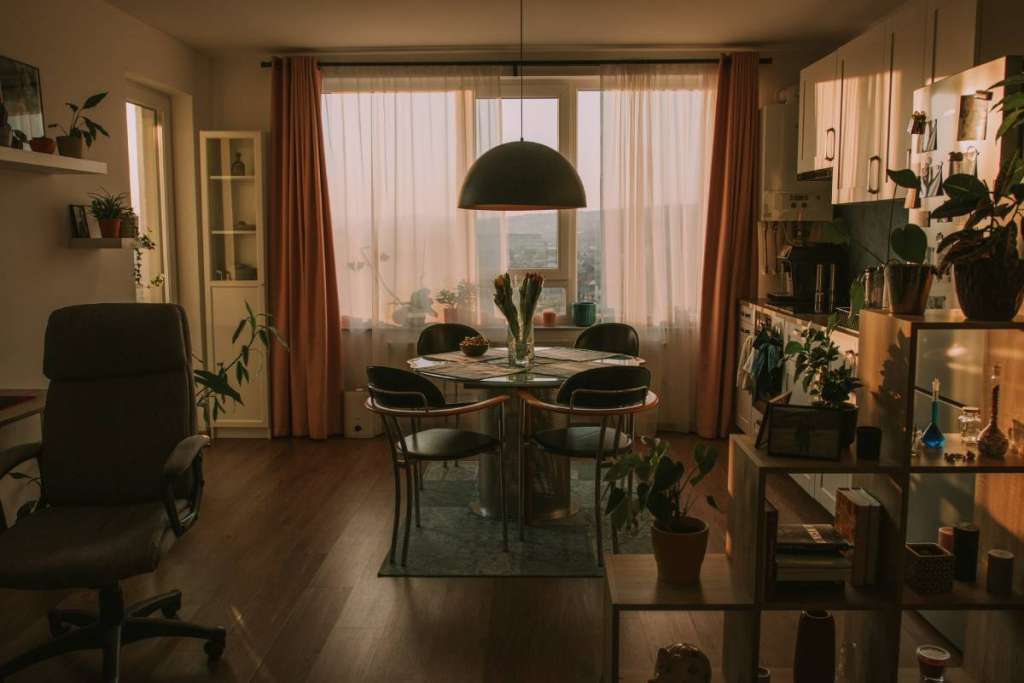
The Golden Rule of Lighting: Kill the Big Light
If there is one thing that destroys a cozy atmosphere instantly, it is the overhead “big light.”
Harsh, single-source overhead lighting creates clinical shadows and mimics an office environment. To create a home sanctuary, you need to lower the center of gravity for your lighting and master the art of filtration.
The 3-Layer Lighting Formula:
- Ambient (The Glow): This is your base. Use floor lamps or dimmable sconces. Crucially, ensure your bulbs are Warm White (2700K – 3000K). Anything higher (4000K+) emits a blue frequency that signals your brain to stay alert.
- Task (The Purpose): A reading lamp by the armchair or under-cabinet lights in the kitchen. This creates pools of light that draw the eye to specific comfortable spots.
- Accent (The Vibe): Candles, fairy lights, or a small table lamp on a bookshelf. These add depth and drama.
Control Natural Light: Cozy isn’t just about lamps; it’s about how you filter daylight. Stark, direct sun can feel aggressive. Installing high-quality window treatments allows you to sculpt the light entering your room. For example, using adjustable options like Perth’s Boutique Plantation Shutters gives you the ability to tilt louvers to create soft, dappled light while maintaining privacy—an essential factor in feeling safe and relaxed in your space.
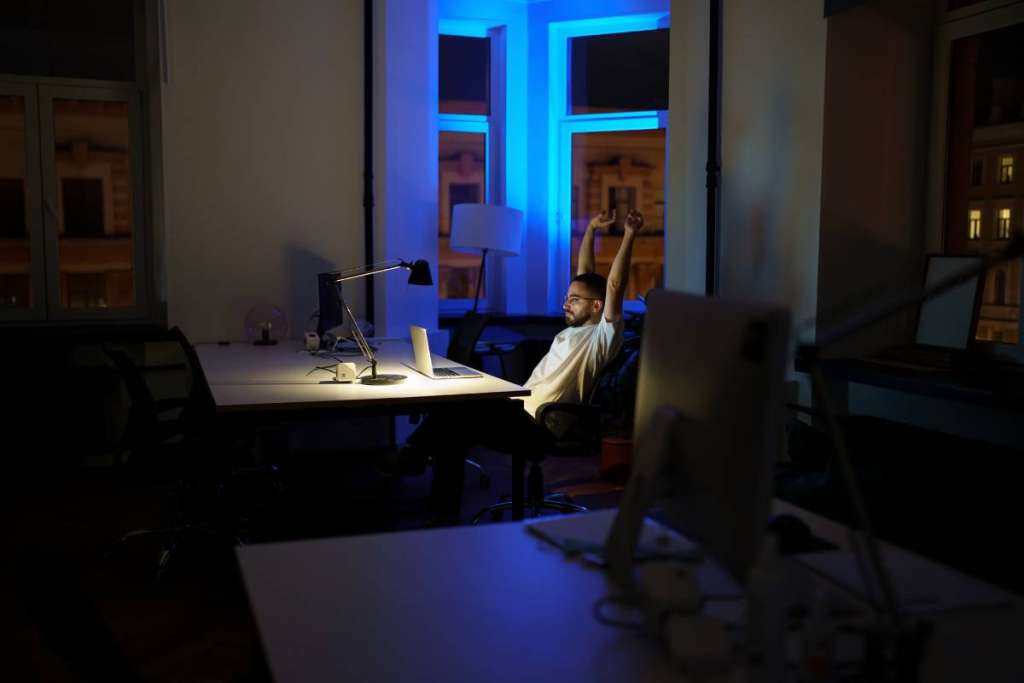
Texture Layering: How to Create Depth
A room feels “flat” when everything has the same finish. If your floor is smooth wood, your sofa is smooth leather, and your coffee table is smooth glass, your eye slides right off the room.
Cozy requires friction. This is where layered textures come into play. You want to create a space that looks good to touch.
How to Mix Textures for Maximum Hygge:
- The Anchor: Start with a high-pile or wool rug. This visually softens the floor and dampens sound.
- The Soft Goods: Add soft furnishings like velvet cushions or a chunky knit throw.
- The Contrast: Introduce “hard” or rough natural textures to balance the soft. Think a wicker basket for blankets, a rough-hewn wooden side table, or a terracotta vase.
The 60/30/10 Texture Rule:
- 60% Neutral base (e.g., linen sofa).
- 30% Visual interest (e.g., wool rug, knitted blanket).
- 10% Shiny or hard accent (e.g., brass lamp, glass vase).
The Psychology of Warm Color Palettes
Color is a vibration that affects mood. While all-white minimalist homes are popular on Instagram, they can often feel sterile and cold in real life.
For a truly cozy home, lean into a warm color palette. This doesn’t mean you have to paint every wall red. It means choosing neutrals that have warm undertones rather than cool ones.
Top Cozy Color Choices:
- Cream & Oatmeal: Instead of stark hospital white.
- Earth Tones: Terracotta, olive green, warm beige, and muted mustard.
- Moody Darks: Charcoal, navy, or forest green.
Why Dark Colors Work: Many people fear that dark colors make a room look small. In reality, painting a small room a deep, rich color creates a “jewel box” effect. It blurs the edges of the room and makes the space feel like a hug.
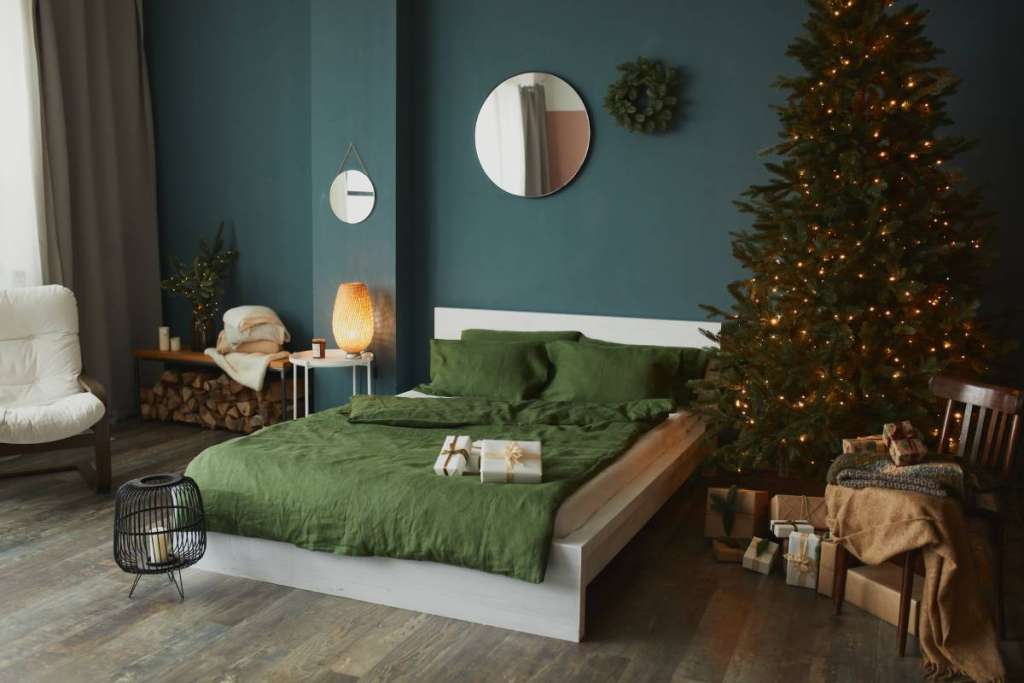
Scentscaping: The Invisible Layer of Comfort
We often design for the eye but forget the nose. However, the olfactory system is directly linked to the brain’s emotional center.
Scentscaping is the art of using fragrance to zone your home and trigger relaxation.
- The Entryway: Fresh and welcoming (Citrus, Linen, or Cotton).
- The Living Room: Warm and grounding (Sandalwood, Cedar, or Amber).
- The Bedroom: Calming and sedative (Lavender, Vanilla, or Chamomile).
Candles vs. Diffusers: For the ultimate cozy vibe, candles are superior because they offer both scent and the primal comfort of a flickering flame. However, for a consistent background scent without the fire hazard, a ceramic stone diffuser is an excellent alternative.
Bringing the Outdoors In (Biophilic Design)
Humans possess an innate tendency to seek connections with nature. This is called Biophilia. A home completely devoid of nature will always feel slightly artificial.
You don’t need a greenhouse to achieve this.
Simple Biophilic Additions:
- Wood Grain: Leave wood furniture unpainted where possible. The natural grain patterns are soothing to the eye.
- Living Plants: A Snake Plant or Pothos adds vibrant green life and helps clean the air.
- Organic Shapes: Avoid too many sharp, square corners. A round mirror or an oval coffee table mimics the curves found in nature, which softens the room’s energy.

The “Nook” Strategy: Creating Micro-Sanctuaries
If you try to make a massive open-plan living room feel cozy, you might struggle. The secret is to think smaller.
Create a Nook.
A nook is a dedicated spot for a single activity, usually resting. It signals to your brain: “When I sit here, I do not work.”
The Recipe for the Perfect Nook:
- The Seat: An armchair that physically supports you (wingbacks are great for this). Think of this chair as the living room equivalent of your bed; just as you would research how to choose the best mattress for your health, you should prioritize ergonomic support here to ensure true relaxation.
- The Surface: A tiny table just big enough for a mug and a book.
- The Light: A dedicated reading lamp.
- The Blanket: Within arm’s reach.
By creating these small vignettes, you break up a large room into manageable, inviting zones.
Conclusion
Creating a cozy home is not about buying the most expensive decor; it is about intentionality.
It is the decision to swap a harsh bulb for a warm one. It is the choice to layer a soft blanket over a cold leather chair. It is the act of lighting a candle on a Tuesday night simply because you deserve to feel good.
Your home should be the one place on earth where your shoulders instantly drop the moment you walk in. Start with lighting, add texture, and build your sanctuary layer by layer.
Which of these changes will you make first? Let us know in the comments if you are Team “Warm Lighting” or Team “Soft Blankets”!
Frequently Asked Questions
How can I make my house cozy on a low budget? Focus on lighting and decluttering first. Changing lightbulbs to “Warm White” (2700K) costs very little but drastically changes the mood. Secondly, declutter visual noise—piles of paper and cords create stress. Finally, use thrifted textiles like blankets and pillows to add warmth without spending a fortune.
Why does my home feel cold even with the heating on? This is often a “visual temperature” issue. If you have cool-toned grey walls, bare floors, and blue-toned lighting, the room will feel psychologically cold. Add rugs to cover bare floors, switch to warm-toned bulbs, and introduce wood elements to warm up the visual palette.
What is the “Hygge” concept? Hygge (pronounced hoo-ga) is a Danish concept encompassing a feeling of cozy contentment and well-being through enjoying the simple things in life. In home decor, it translates to creating a safe, warm atmosphere, often involving candles, soft blankets, hot drinks, and the company of loved ones.
Does minimalism prevent a home from being cozy? Not necessarily. “Warm Minimalism” is a popular style that combines clutter-free spaces with cozy textures. The key is to avoid “clinical” minimalism (glossy white surfaces, chrome) and embrace “organic” minimalism (matte finishes, natural wood, linen, stone).

Comments